How to Haggle in Makola Market and Accra Arts Centre: 10 Tips from a Tour Guide
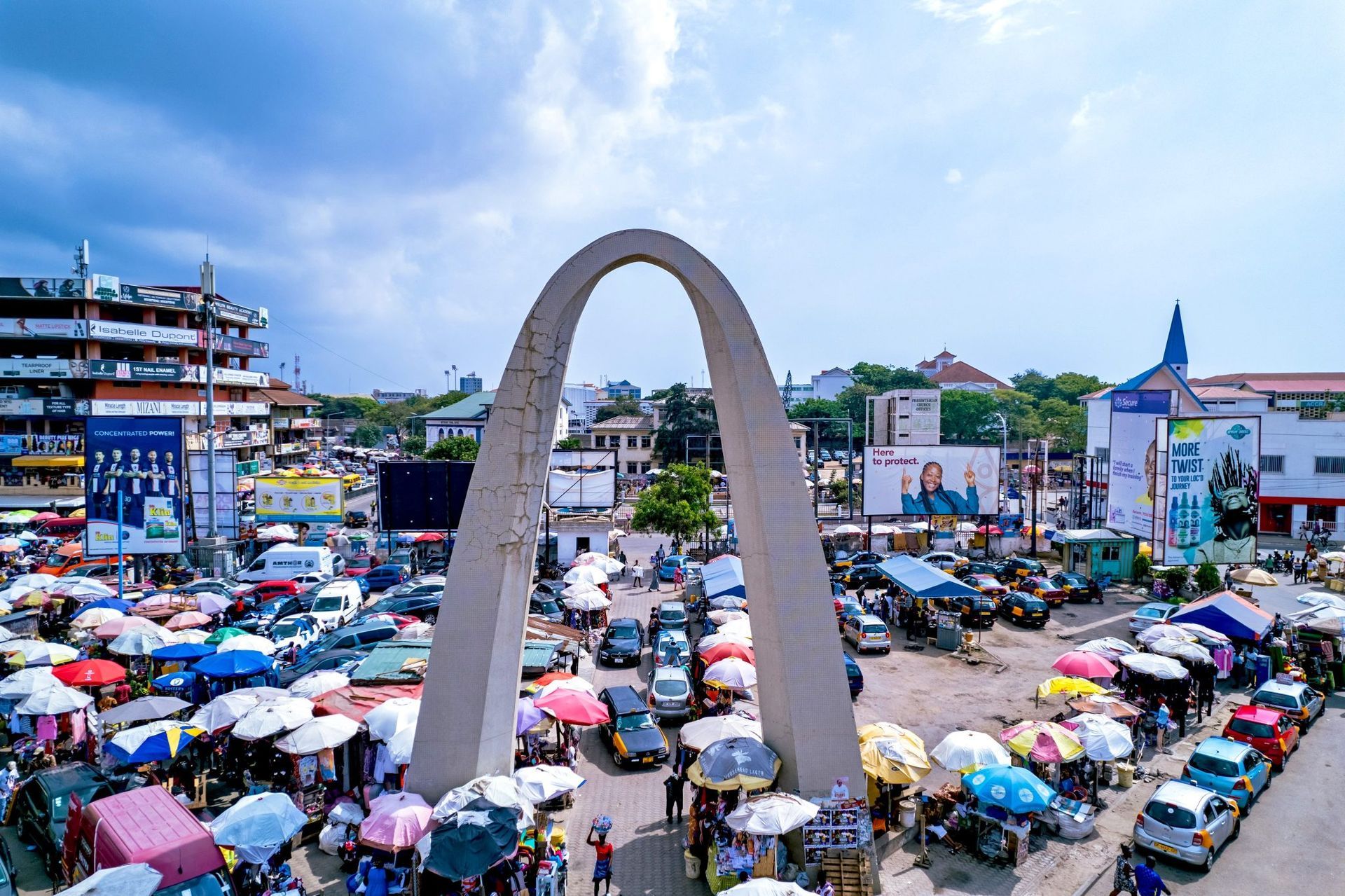
Step into Accra’s bustling markets, and you’ll quickly realize that shopping here isn’t a passive experience—it is a vibrant, fast-paced dialogue. Whether you are navigating the sprawling, maze-like aisles of Makola Market or eyeing intricately carved masks at the Centre for National Culture (Accra Arts Centre), the price tag is rarely final.
In Ghana, haggling is not an argument; it is a cultural exchange, a game of mutual respect, and an expected part of the transaction. If you simply pay the first price you are given, you are almost certainly overpaying.
To help you shop with confidence, we asked our expert local guides to break down the "Soft Life" approach to street-level negotiation. Here are 10 insider tips for haggling like a pro in Accra.
1. Know Your Arena: Makola vs. The Arts Centre
Before you start negotiating, understand where you are.
- Makola Market is an everyday commercial hub primarily for locals. You go here for authentic textiles (like authentic Wax print), beads, spices, and fresh produce. The margins are slightly tighter here because it’s a wholesale environment.
- The Arts Centre is heavily tourist-focused. It is the best place for souvenirs, wooden carvings, and Kente cloth, but the initial "tourist tax" (starting price) will be significantly higher. You will need to haggle much harder here.
2. Leverage the "Morning Blessing"
In Ghanaian trading culture, the first customer of the day brings good luck (often called "good market"). If you arrive early (between 7:30 AM and 9:00 AM) and are the first person to buy from a stall, vendors are usually much more willing to offer a generous discount to secure that initial blessing for their business.
3. Master the Poker Face
The moment you gasp and say, "Oh my god, I love this so much!" the price goes up. Vendors are incredibly observant. If they know you are emotionally attached to an item—like a specific brass bracelet or a piece of Bolgatanga basketry—your negotiating power drops to zero. Admire items casually.
4. Let Them Anchor First
Never offer a price before they do. Always ask, "How much is this?" Let the vendor set the initial anchor. Once they give you a number, your goal is to respectfully counter it.
5. The 50% Counter-Offer Strategy
A safe rule of thumb, especially at the tourist-heavy Arts Centre, is to counter the vendor's initial offer with roughly 40% to 50% of what they asked. They will laugh, you will smile, and the dance begins. You will typically meet in the middle, paying about 60% to 70% of the original asking price.
6. Deploy Local Lingo
A little effort goes a very long way. Speaking a few words of Twi or Ga changes your status from "clueless tourist" to "respected visitor."
- "Te so" (pronounced Teh-so) means "Reduce it."
- "Medaase" (pronounced Meh-dah-si) means "Thank you."
- "Abeg" means "Please." Use these with a smile, and watch the prices drop.
7. Cash is King (But Keep it Small)
If you successfully haggle an item down to 40 Cedis (GHS) and then hand the vendor a crisp 200 Cedi note, they will suddenly "not have change." Carry small denominations (10s, 20s, and 50s) so you can pay exact amounts. Also, keep your large bills tucked away in a money belt; if a vendor sees a thick wad of cash, the bargaining stops.
8. The "Walk-Away" Trump Card
This is the most powerful tool in your arsenal. If a vendor refuses to meet your fair price, simply say, "Medaase, maybe next time," and slowly walk away. In markets where dozens of stalls sell similar items, 9 times out of 10, the vendor will call you back before you take five steps: "My friend, come, bring the money."
9. Mind the "Right Hand" Etiquette
This is a critical cultural rule in Ghana. When you finally agree on a price, always hand over your cash with your right hand, and receive your change and items with your right hand. In Ghanaian culture, the left hand is considered disrespectful for giving or receiving.
10. Respect the Hustle (Know When to Stop)
While haggling is fun, remember the economic context. If you are arguing over 10 Cedis (less than $1 USD in 2026), take a step back. What is pocket change to you might be a meaningful amount for a local artisan. Negotiate to ensure you aren't being taken advantage of, but always aim for a price where both you and the vendor feel respected.
🍸
Want top-notch access to Accra's best live music and lounges?
Book our Accra Night Life Tour. Let our expert local guides handle the transport and cover charges while you experience the city's electric after-hours scene.
🌊 Do not do this tour with a generic guide. > Book our Slave Castle and History Tour (Cape Coast and Elmina). Travel the coast in a luxury, air-conditioned SUV with a master historian who can properly hold space for your emotional journey.
👑 Looking for a true homecoming? Explore our Dedicated Ghana Heritage Tours to respectfully arrange traditional naming ceremonies and deeply personal ancestral reconnections.
🌿
Seeking a perfect balance of nature, wellness, and adventure? >
Explore our Rhythms & Retreats Multi-Day Tour to seamlessly connect with Ghana's most lush eco-sanctuaries.
📌 Experience Accra with an Expert
Navigating Makola Market's vibrant chaos is an unforgettable experience, but it can be overwhelming to do it alone.
Don't want to get lost in the maze? Let Today's Travel Agency provide the ultimate "Soft Life" market experience
👉 Access our VIP Concierge Services and let our team build your bespoke itinerary.
👉Click Here to Get Hosted in Ghana and experience West Africa with zero planning stress!
📞 +233 20 906 0929 | 📧 concierge@todaystravelagency.com
🔗 Helpful Resources
Book Your Experience with Today's Travel Agency: